
Renewal When You Stop Managing Attention
Directed attention can feel tiring over long periods. Involuntary attention — captured by clouds, fire, water, or trees — offers a different mode of engagement. Educational information only; individual experiences vary.
Explore Rest Types

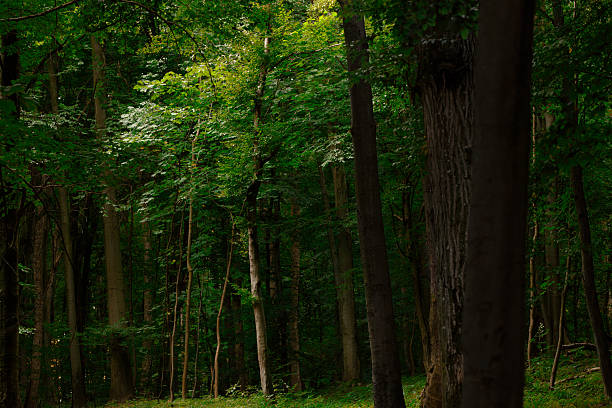
Directed vs Involuntary Attention
Rachel and Stephen Kaplan's Attention Restoration Theory proposes two distinct modes. Directed attention is effortful — you force focus onto spreadsheets, conversations, or traffic. It enables civilisation and productivity but depletes with sustained use. Involuntary attention is captured without effort by stimuli that are gently engaging: flames flickering, leaves rustling, water flowing, clouds shifting.
These stimuli provide what the Kaplans called "soft fascination" — enough interest to hold attention without demanding it. For some people, shifting into this mode may feel restful after periods of intense focus. This is different from passive screen time, which often adds sensory load rather than reducing it.
Mode shifts may help some readers feel more settled — not because you try harder to relax, but because the type of attention changes. Watching a fire without checking phones, sitting by a stream without planning the afternoon, or watching clouds drift are examples discussed in research literature. Individual experiences vary.
Fifteen Minutes in an Unstructured Environment
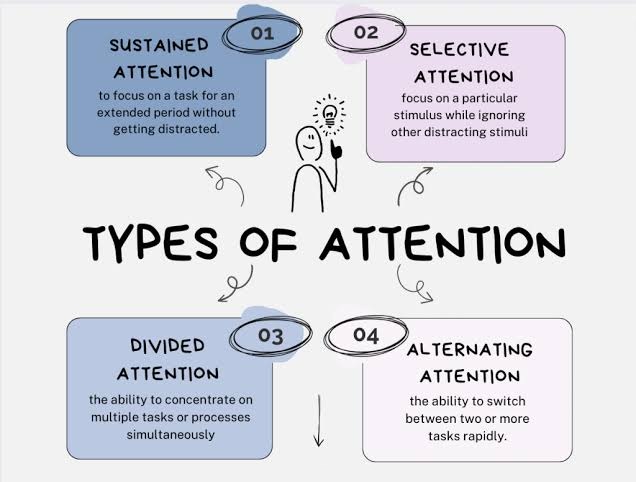
Research published in environmental psychology journals has explored whether brief exposure to natural settings may be associated with reduced feelings of mental fatigue for some participants in controlled studies. Results vary; this is general educational information, not a promise of improved focus for every reader.
The proposed mechanism involves reduced demand on executive attention during soft fascination. When the environment provides moderate, pleasant stimulation without requiring response, some study participants reported feeling less mentally tired afterward — often within fifteen to twenty minutes. This is not universal.
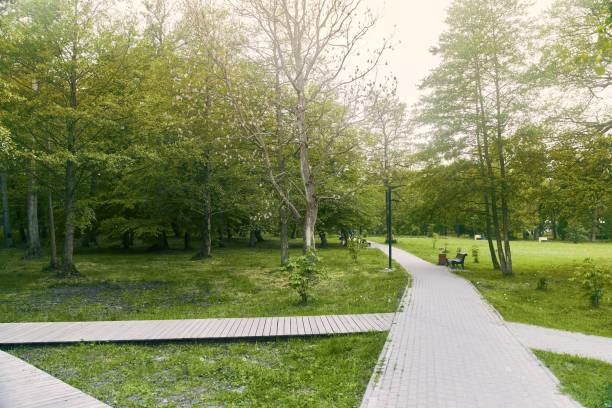
This does not require wilderness expeditions. Urban parks, botanical gardens, coastal paths, and even well-designed green spaces in Sydney, Melbourne, or Brisbane can suffice. The critical variable is unstructured engagement — no podcast, no fitness tracker goals, no simultaneous planning.
Elements That Enable Soft Fascination
Sky & Clouds
Movement at the edge of perception — cumulus drifting, light changing on cloud edges. Requires no navigation or interpretation. Accessible from windows, balconies, or open fields throughout Australia.
Water
Rivers, harbour ripples, rainfall on leaves, ocean at distance. Flowing water combines visual movement with ambient sound that masks urban noise without demanding attention.
Fire
Campfires, fireplaces, candles — flickering light with unpredictable pattern. One of the oldest human contexts for involuntary attention. Use safely and ventilate properly indoors.
Trees & Vegetation
Wind in foliage, dappled shade, seasonal colour change. Native bush walks offer layered soft fascination — multiple scales of movement from fern fronds to canopy sway.
Building Unstructured Time Into Your Plan
Schedule one involuntary attention block daily — ideally after your highest directed-attention demand. Mid-morning after deep work, post-lunch after meetings, or late afternoon before evening responsibilities. Consistency matters more than duration beyond the fifteen-minute threshold.
If parks are inaccessible, adapt: watch cloud movement from a window, sit near an indoor fountain, or tend a garden without multitasking. The principle is mode shift, not specific location. However, research suggests natural settings outperform built environments for attention restoration — prioritise green space when available.
Involuntary Attention Questions
Podcasts require directed attention to follow narrative or argument. They may provide entertainment or learning but do not typically enable the mode shift that may support a shift in attention mode. Save audio for commutes; protect park time for unstructured engagement.
No. Involuntary attention primarily addresses mental rest and partially sensory rest. Social, emotional, and creative deficits still require their matched forms. Think of it as one powerful tool in a broader energy plan.
Yes, though natural settings show stronger effects in research. Indoor fire watching, aquarium observation, or rain on windows can provide soft fascination when outdoor access is limited — common during Australian winter months.