
Match Your Deficit to the Right Rest
Most people assume rest means sleep. But if you worked with people all day, you may need solitude. If you created all week, you may need to receive beauty rather than produce it.
Read Planning Guides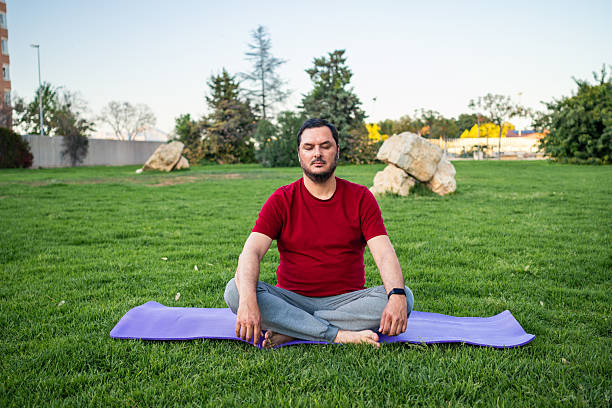

Why the Wrong Rest Leaves You Tired
Sleep supports the body but may leave mental, emotional, or social energy feeling low. Identifying what you need is a personal process — outcomes vary.
Consider a teacher who sleeps eight hours yet dreads Monday. Physical rest is adequate; social and emotional accounts are not. Or a software developer who weekends on Netflix after a week of deep focus — passive screen time provides neither mental nor sensory rest. The exhaustion persists because the mismatch continues. A personal energy plan maps daily spend categories to corresponding rest types, creating a feedback loop that improves with practice.
Physical Rest
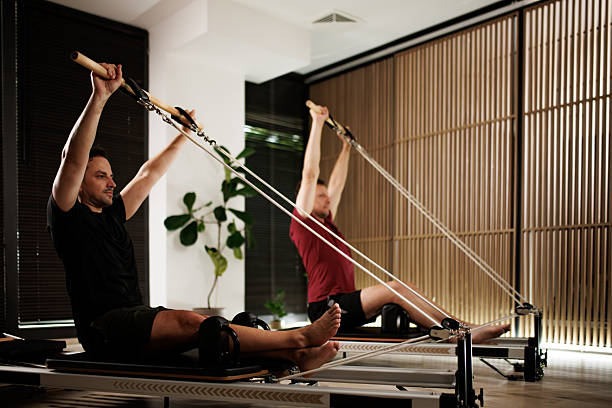
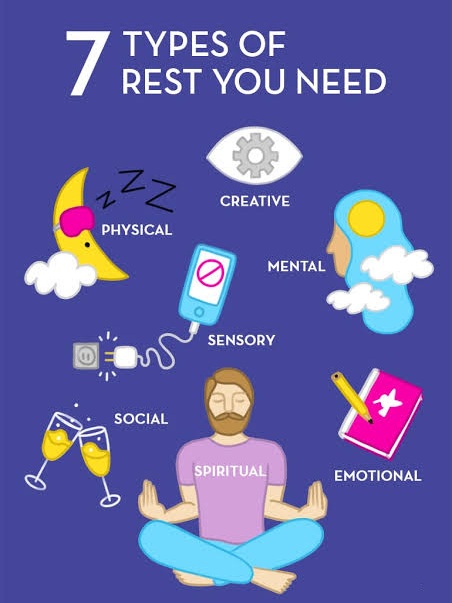
Passive sleep and naps, plus active physical rest: gentle yoga, stretching, massage, or slow swimming. Addresses bodily fatigue and tension accumulated from desk work or standing shifts. In Australia, a short walk on the beach or through native bush can combine physical rest with sensory renewal.
Mental Rest
Stepping away from problem-solving. Let thoughts drift without goals — not planning, not optimising. Short breaks between focus blocks, a shower without podcasts, or ten minutes of ceiling-gazing between meetings. Mental rest prevents the fog that follows sustained analytical work.
Emotional Rest
Space to feel without performing strength. Journaling honestly, speaking with someone who listens without fixing, or allowing tears without analysis. Common for caregivers, managers, and anyone who spends the day regulating visible emotion while suppressing private feeling.
Social Rest
For the socially depleted: solitude, quiet reading, solo walks. For the lonely: meaningful one-on-one connection rather than crowded events. Introverts and extroverts need opposite prescriptions — personalisation is essential. A week of back-to-back meetings demands different social rest than a week of remote isolation.
Sensory Rest
Reducing input from screens, notifications, fluorescent lights, and background noise. Dimming rooms in the evening, using noise-cancelling headphones, or spending time in quiet natural settings. Sensory overload is common in open-plan offices and urban environments across Sydney and Melbourne.
Creative Rest
Refilling inspiration without output pressure. Visiting galleries, watching craftsmanship, listening to live music, observing architecture, or watching light change on water. After weeks of producing — writing, designing, coding — creative rest means receiving wonder rather than generating ideas.
Spiritual Rest
Connection to purpose beyond task lists. May include meditation, prayer, community service, or time in landscapes that evoke awe. Not necessarily religious — spiritual rest answers the question "why am I doing this?" when routine obscures meaning. Many find this in Australia's mountains, coastlines, or volunteer work.
From Deficit to Prescription
After a day heavy in social interaction — parent-teacher meetings, client calls, team workshops — schedule an evening without conversation. Cook simply, read silently, or walk alone. This is social rest, not antisocial behaviour. Your nervous system needs reduced interpersonal demand to recalibrate.
After creative output — campaign design, novel drafting, product prototyping — avoid forcing more creation on the weekend. Visit a museum, sit by the harbour, or watch craftspeople work. Creative rest may renew the capacity for original thought by filling the well rather than draining it further.
Keep a simple rest log for two weeks: note what you tried and whether energy improved the next day. Patterns become obvious. You may discover that sensory rest after commute-heavy days matters more than an extra hour of sleep.
Rest Can Layer — But Know Your Primary Need
A quiet walk through a park may deliver physical, sensory, and mental rest simultaneously. That efficiency is valuable. Yet when severely depleted in one category, ensure that category receives direct attention. A socially exhausted person who only walks alone may still need explicit emotional processing — walking alone does not replace honest conversation with a trusted friend.
Weekend planning benefits from reviewing the week's spend before defaulting to habitual activities. If the week was logical-heavy, resist filling Saturday with errands requiring decisions. Batch decisions on Sunday evening instead, freeing Saturday for unstructured mental and creative rest.

Morning
Assess yesterday's primary depletion. Choose one rest type to prioritise today — even ten minutes counts.
Midday
Insert a micro-rest matched to morning spend: silence after meetings, movement after desk work, window-gazing after analysis.
Evening
Avoid mismatched rest — screens after sensory overload, parties after social depletion. Match deliberately.
Responsible Planning Practices
Content on this site describes lifestyle approaches to daily energy awareness. It does not replace support from a qualified professional when everyday stress feels overwhelming or persistent.
If exhaustion persists despite rest, or if you experience significant distress, contact a qualified health professional or Australian services such as Lifeline (13 11 14).
When practising park-based rest, follow local weather advisories, stay on marked paths, and carry water — especially during Australian summer conditions.
Rest plans should fit your life constraints. Avoid extreme schedules that create new pressure. Small consistent practices outperform intensive bursts.