Free Guides to Plan Your Daily Mental Energy
Every act of focus, restraint, or emotional regulation draws from a limited pool of mental energy. These educational articles explain how to notice where that energy goes — and how different types of rest may support everyday wellbeing. Content is general information only; individual experiences vary.
Free to read · No products sold · Not medical advice · Advertising Disclosure
Read Planning Guides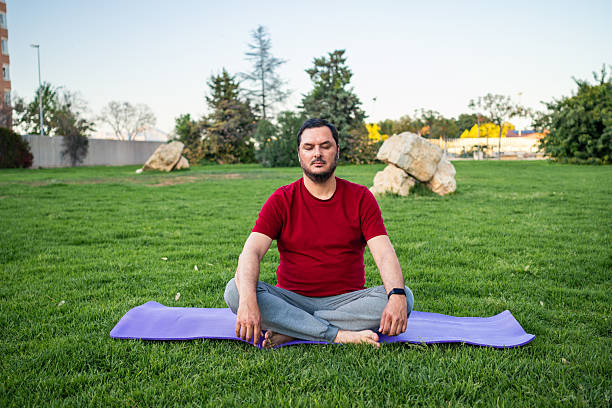


One Currency for Every Act of Will
Research in cognitive psychology suggests that self-control operates like a shared budget. When you skip the biscuit at morning tea, hold your focus through a dense report, or pause before responding to a frustrating email, you are drawing from the same underlying resource — not three separate accounts, but one.
That is why a day filled with small decisions can leave you feeling hollow by evening, even if you never visited the gym or ran a marathon. Psychologists sometimes call this phenomenon ego depletion, though the exact mechanisms remain debated. What matters in daily life is the pattern: effort compounds, and the brain does not distinguish between resisting temptation and solving equations.
Understanding this shared currency changes how you plan your week. Instead of scheduling back-to-back demanding tasks and hoping sheer discipline will carry you through, you begin to treat mental energy as something to allocate deliberately — much like time or money.
Explore Brain Currency
Mental Resource Drains Faster Than Physical Energy
Most people notice physical tiredness quickly — heavy legs after a long walk, a sore back from gardening. Mental exhaustion is subtler. It arrives as irritability, difficulty choosing what to eat for dinner, or the urge to scroll instead of finishing one more paragraph.
A useful planning approach asks a simple question at the end of each day: where did most of my mental currency go? Was it logic and analysis — spreadsheets, coding, strategic planning? Was it emotional labour — supporting a colleague, navigating family tension, managing everyday stress? Or was it social interaction — meetings, phone calls, small talk at the school gate?
Each category may call for a different kind of rest. Treating them as interchangeable is one reason generic advice like "just get more sleep" often feels insufficient. Your body may rest while you still feel mentally flat — and that is a common, everyday pattern rather than a sign that something is wrong with you.

When Sleep Alone Is Not Enough
Rest is not a single activity. Matching rest to your specific deficit is the foundation of any personal plan.
- Social depletion: If your day was filled with people — clients, children, teammates — your nervous system may crave solitude rather than another gathering. A quiet walk alone, reading in a corner, or an evening without conversation can may help replenish energy spent on conversation.
- Creative depletion: Hours of brainstorming, designing, or writing draw on associative networks that sleep does not immediately replenish. Creative rest looks like absorbing beauty without producing anything — watching clouds, visiting a gallery, listening to music without multitasking.
- Logical depletion: After deep analytical work, your prefrontal cortex benefits from low-stimulation environments. Structured downtime — not more input — allows background processing to continue without new demands.
- Emotional depletion: When you have carried others' feelings or suppressed your own, emotional rest means permission to feel without fixing. Journaling, talking with a trusted friend, or simply crying without analysis can belong here.
Seven Paths to Genuine Restoration
Dr. Saundra Dalton-Smith's framework identifies seven distinct types of rest: physical, mental, emotional, social, sensory, creative, and spiritual. Most people default to only one or two — usually physical rest through sleep and perhaps a holiday — while ignoring the others entirely.
Physical rest includes both passive sleep and active physical rest like gentle stretching. Mental rest means stepping away from problem-solving and letting thoughts wander without goals. Emotional rest involves honesty about your feelings rather than performing composure. Social rest balances connection with solitude according to your temperament.
Sensory rest reduces input from screens, noise, and clutter. Creative rest refills inspiration through wonder rather than output. Spiritual rest connects you to purpose beyond daily tasks — which need not mean religion; it can be awe, community, or values-aligned action.
Read All Seven TypesRenewal Through Involuntary Attention
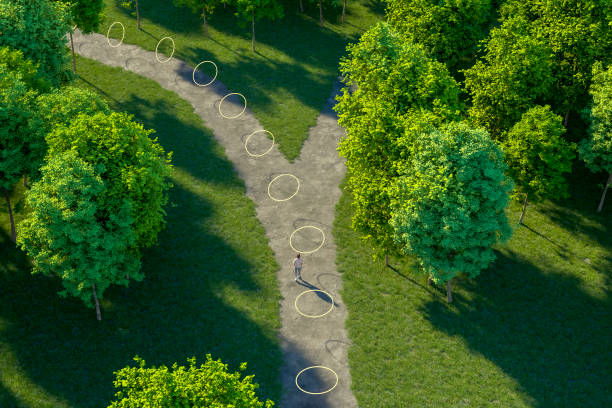
Attention researchers distinguish between directed attention — the effortful focus you use at work — and involuntary attention, which is captured effortlessly by clouds, fire, flowing water, or moving leaves. Directed attention can feel tiring over long periods; involuntary attention offers a different mode of engagement.
Research on attention renewal theory suggests that brief exposure to natural, softly stimulating environments may be associated with reduced feelings of mental fatigue for some people in study settings. A fifteen-minute walk through a park — without podcasts, without planning your afternoon — may help some people feel more settled afterward. Results vary by person and context.
This is not about productivity hacks. It is about giving your brain the kind of input that does not require management. The rustle of leaves, the shimmer of light on water, the slow drift of cumulus across sky — these are not distractions from rest. They are the mechanism of rest itself.
Learn About Soft Fascination
Your Plan Begins by Ending the Losses
An energy planning approach often fails when it starts with addition — new habits, new tools, new commitments. That approach can deepen exhaustion rather than relieve it. The more effective sequence begins with subtraction: identify where mental currency leaks away without return.
Common leaks include keeping email open all day, agreeing to meetings without checking your energy budget, consuming distressing news as background noise, and using screens to numb rather than recharge. Each leak is small alone; together they can drain a quarter of your daily capacity before meaningful work begins.
Once leaks are reduced, targeted rest becomes feasible. You might block twenty minutes after intense meetings for sensory rest — dim lights, no screens. You might protect one evening weekly for social rest if your role is people-heavy. The plan becomes personal because it reflects your actual spending pattern, not a generic template.
View Planning GuidesHow to Track Your Mental Budget
- Morning check-in: Rate your starting energy from one to ten. Note whether you slept well but still feel mentally flat — a sign that sleep is not your primary deficit.
- Midday audit: List the three most demanding activities so far. Tag each as logical, emotional, or social. This takes ninety seconds and reveals patterns within a week.
- Match rest to spend: After a social-heavy morning, schedule a solo lunch. After analytical work, avoid jumping into creative tasks without a buffer of unstructured time.
- Evening review: Ask what felt restorative for you today and what drained you further. Adjust tomorrow's plan accordingly — planning guides are living documents, not fixed schedules.
Events Calendar
Free, educational community sessions across Australia. Dates may change — confirm details by email before attending. No online payments are processed on this website.
| Date | Event | Location |
|---|---|---|
| 12 July 2026 | Brain Currency Workshop: Mapping Your Daily Spend | Melbourne Community Centre |
| 26 July 2026 | Seven Types of Rest: Interactive Group Session | Sydney Public Library, Central |
| 9 August 2026 | Park Walk & Involuntary Attention Practice | Brisbane Botanic Gardens |
| 23 August 2026 | Building Your Personal Energy Plan | Online · Australian Eastern time |
Event notice: Sessions are informal, educational gatherings about rest planning and daily energy awareness. They are not medical workshops, counselling groups, or paid programmes unless explicitly stated by email. Register interest via our contact page.
Who We Are and What This Site Offers
Expelcleansing.ddd is an Australian educational publisher based in Fitzroy, Victoria. We create free articles about daily mental energy, rest types, and practical lifestyle planning for general audiences.
We are not a medical clinic, psychology practice, telehealth provider, or seller of supplements. This website does not process payments, subscriptions, or treatment bookings. Our contact form is for general enquiries about content and listed events only.
Articles reference published research and established frameworks (such as attention renewal theory and rest typologies) in plain language. They are reviewed for clarity and accuracy but remain general information — not personalised recommendations for your situation.
Individual experiences vary. Ideas that feel useful to one reader may not suit another. If persistent exhaustion or distress affects your daily life, speak with a qualified health professional rather than relying on website content alone.